
If you have finished today’s grid and want more, the honest problem with looking for games like Connections is that most lists hand you sixteen tiles worth of nothing: ten links, one sentence each, no sense of which one you would actually enjoy. What hooked you about Connections was never the words themselves. It was the moment a shape appeared in a pile of things that looked unrelated. That moment comes in at least three different flavours, and knowing which one you are chasing is the difference between a good recommendation and a random one.
So this roundup sorts ten daily puzzles by the kind of relationship you have to spot. Every one was opened and played on the day of writing, and where something is missing, such as an archive, that is stated instead of glossed over.
What Makes a Daily Word Association Game Feel Like Connections
Connections puts sixteen words on a board and asks which four belong together, four times over. Wyna Liu edits it, the puzzle rolls at midnight, and today’s grid is free while everything before it sits behind an NYT Games subscription. Our guide to playing Connections covers the rules in full, a recorded solve, and original stats from 180 past puzzles on how the boards get built.
Strip that down and the mechanic is: the answer is a relationship, not a spelling. You are never asked to know a word you did not know before. You are asked to notice that six of these things share something, and that the sharing is the point.
Once you frame it that way, a daily word association game can carry that feeling in three distinct ways:
- Grouping. A pile of items, hidden categories, sort them. The closest relatives, and where most of this list sits.
- Theme hunting. One connecting idea, and you have to surface the pieces that belong to it. Strands works this way.
- Semantic distance. One hidden answer, and each attempt is scored for how near it lands in meaning rather than how many letters it shares.
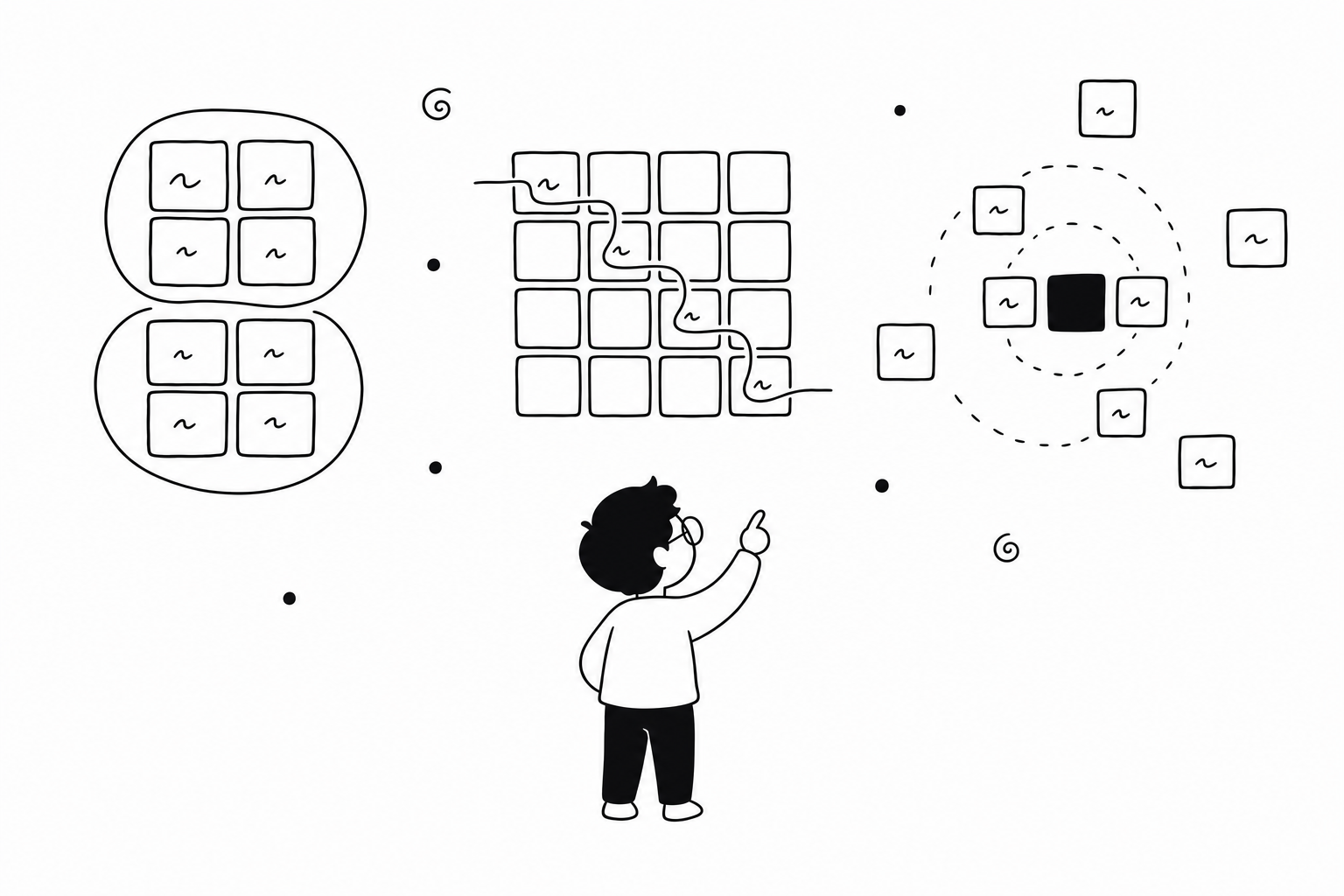
A fourth family sits one step further out: pure deduction, where the relationships are stated as clues and the work is elimination. Those are covered at the end, clearly labelled, because they scratch a related itch without pretending to be the same genre.
An online word association game will usually land in one of those four. Which one you want depends on whether you liked the sorting, the noticing, or the narrowing.
Word Grouping Games: Sort Things Into Hidden Categories
This is the tightest match. A word grouping game gives you a set, hides the organising rule, and lets you find out how wrong you were.
Categories by Clever Goat
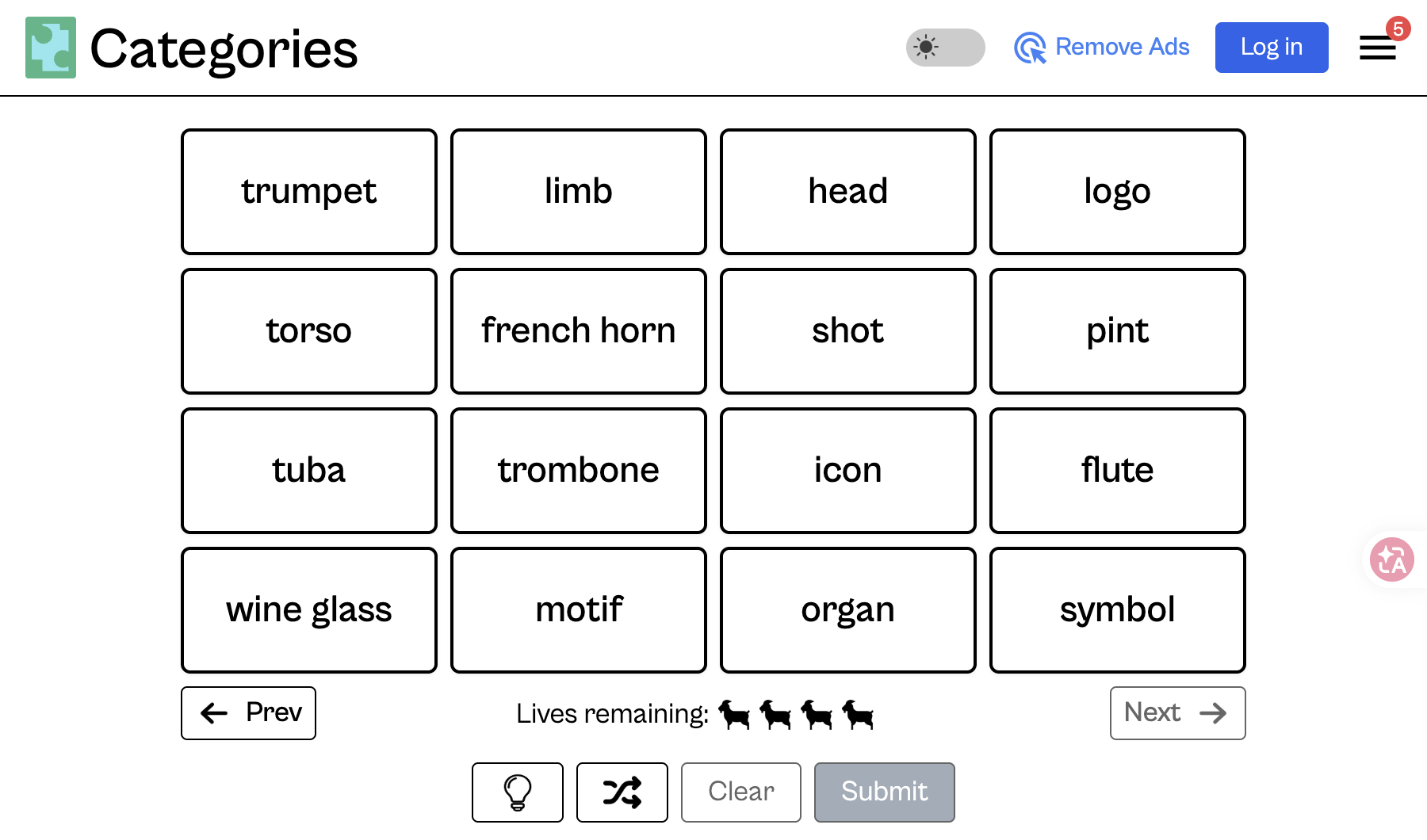
The most direct substitute on this list. Sixteen words, four groups, lives you lose for wrong submissions, and no theme wrapper around any of it. Where it beats the original for a lapsed player is the archive: past puzzles are open, so you can work through a backlog rather than waiting a day for one grid. The core game is free with an optional paid ad removal. Clever Goat runs several other daily puzzles alongside it, so it doubles as a way into a small ecosystem.
Play at categories.clevergoat.com.
GeoConnections
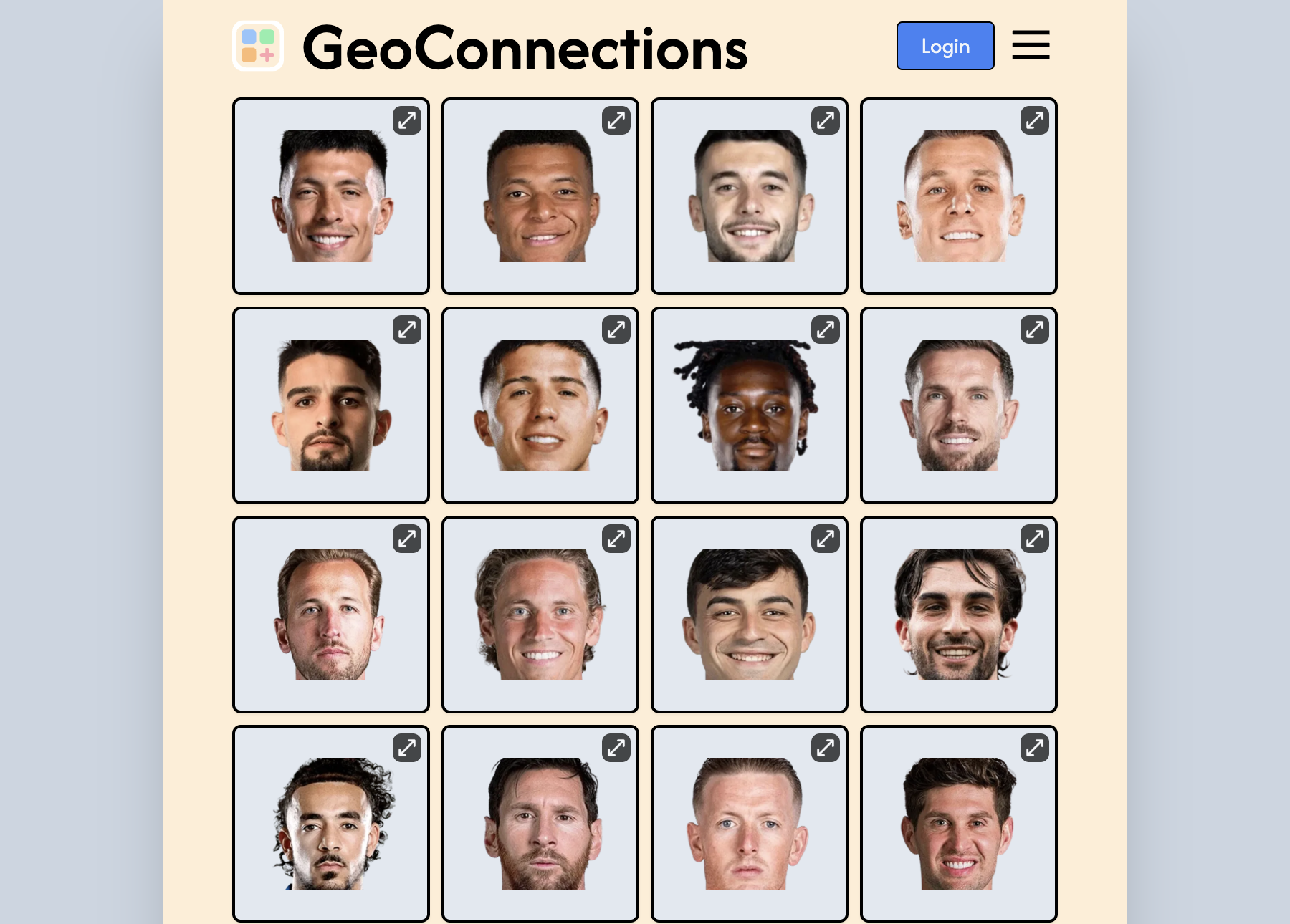
Same four-by-four structure, but everything on the board is geographic. The worked example in its own help page groups the flags of Russia, Canada, the United States and China as the four largest countries. The subject matter roams wider than flags though: on the day this was written the sixteen tiles were portraits of footballers, so the geography can arrive by way of people as readily as by way of maps. It comes from Teuteuf Games, the studio behind Worldle, and it shows in the polish. Two additions are worth knowing about: an easy mode that names the categories up front, and an infinity mode with no life limit, which turns it into practice rather than a one-shot daily. There is a working archive.
Play at geoconnections.net. If the geography angle is the part you like, our dle games directory has a whole category of them.
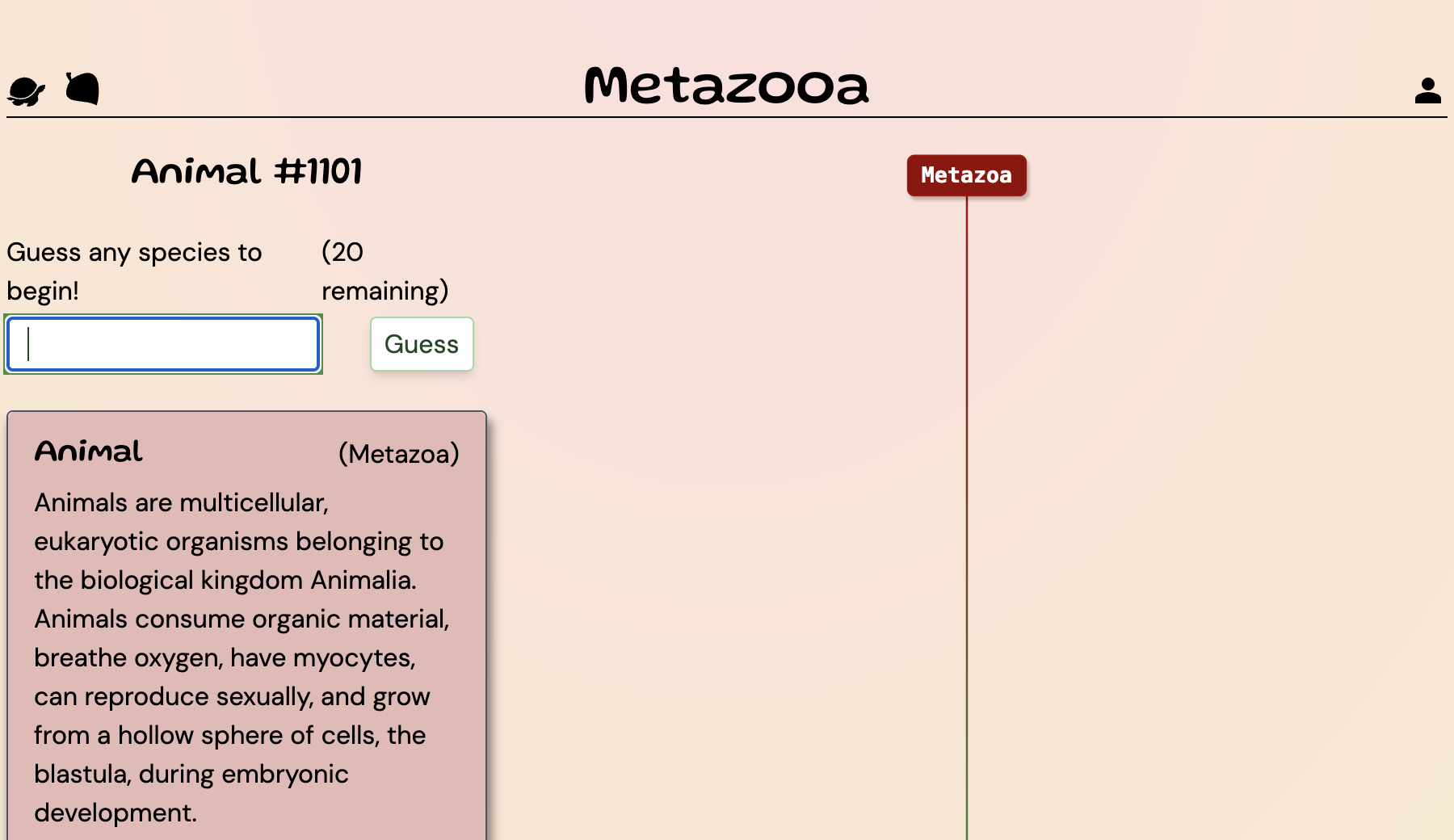
Metazooa
Grouping by biological taxonomy. There is a mystery animal, you get twenty guesses, and each guess tells you how far up the tree your animal and the target share an ancestor. Guess dog, learn that you are in the right class but the wrong order, and start narrowing. The classification comes from NCBI taxonomy rather than a hand-written list, which is why the feedback stays consistent even on obscure creatures.
Two honest caveats. It is grouping in a stricter, more scientific sense than Connections, and there is no archive, so a missed day is gone.
Play at metazooa.com.
PokeDoku
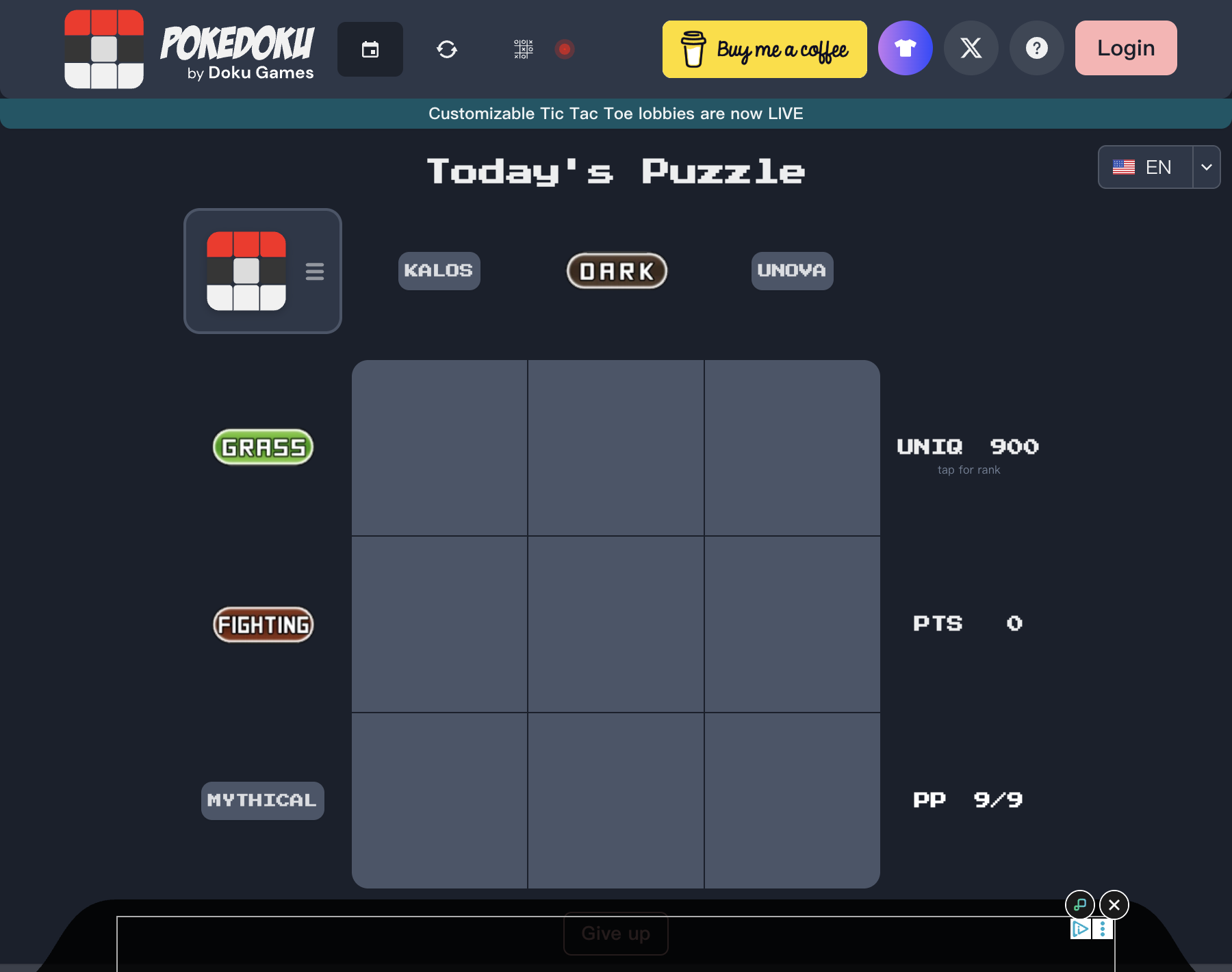
Nine squares, and each one waits for a Pokémon answering its row label and its column label at once. You get nine picks in total, with no repeats, so there is no room to experiment. It is grouping turned into intersection: the question stops being what these things share and becomes what sits in the overlap.
The knowledge requirement is real, so this one rewards existing fans rather than curious visitors. New puzzles land at midnight Eastern. There is an unlimited mode, though it generates random boards rather than serving past dailies, so treat it as practice and not as an archive.
Play at pokedoku.com.
Games Like Strands: Finding the Theme
If what you liked was the slow reveal, that the board suddenly made sense once you worked out what it was about, the games like Strands direction fits you better than pure sorting.
Strands
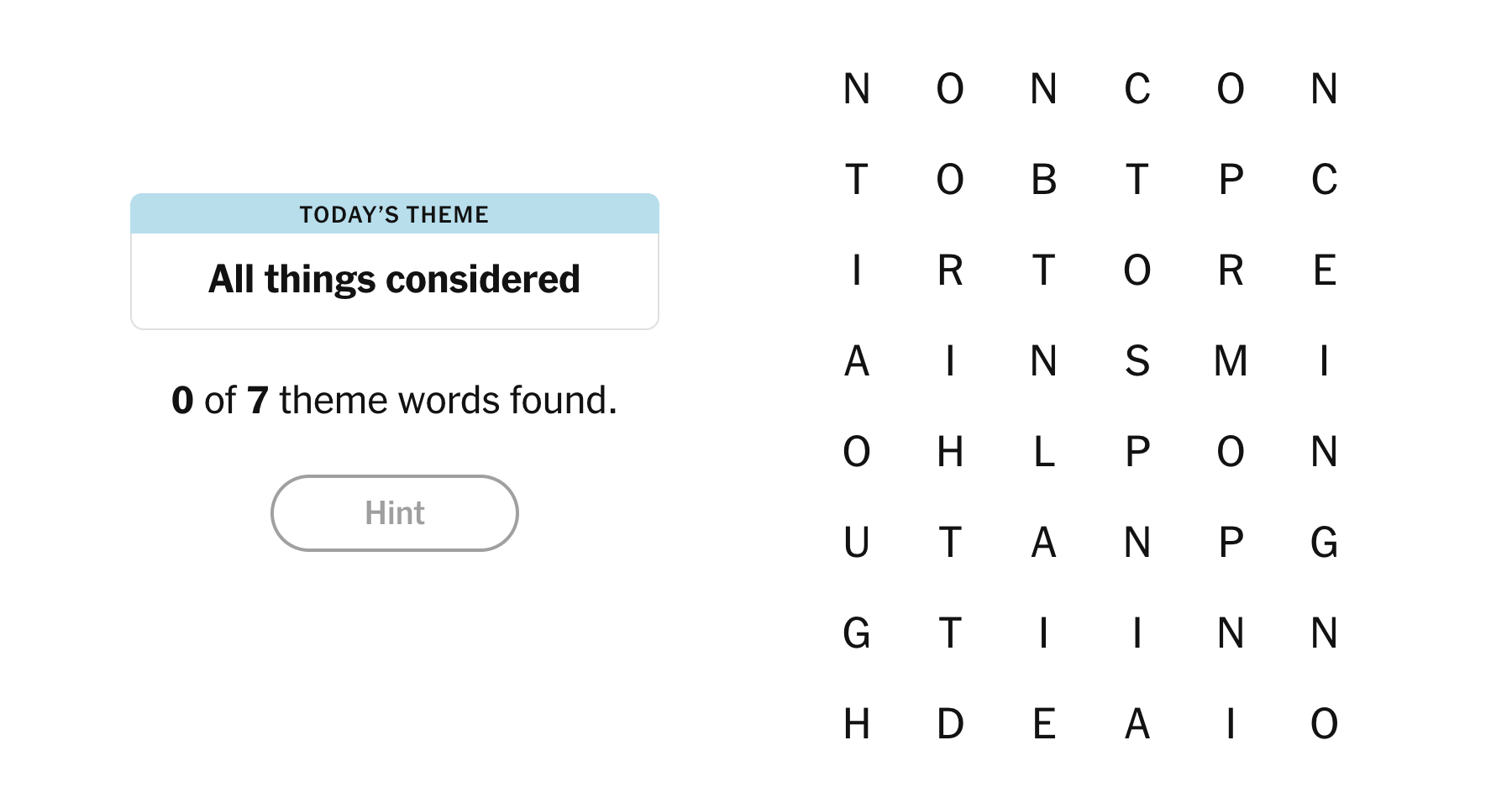
The New York Times built this as the theme-hunting counterpart to its own grouping game. A six-by-eight letter grid holds several words that share an idea, plus a spangram, a longer word touching two opposite sides that names the idea outright. Christina Iverson makes the puzzles and Tracy Bennett edits them.
The design choice that separates it from Connections is that there is no failure state. Off-theme words you happen to spot are still accepted, and rather than costing you anything they build progress toward a hint. That makes it gentler in one way and harder in another: nothing punishes you, and nothing tells you when you are close either, until the theme clicks.
Coverage on the game has picked at exactly that tension. Writing at Forbes, Paul Tassi took issue with a spangram that gave away too much:
Interesting puzzle today, but I am not amused by the fact that they keep doing spangrams that could also just be the clue for the day instead of actually covering the full topic.
The hint system has drawn sharper comments. One Hacker News reader put it this way:
I’m honestly a bit surprised that strands has managed to stick around as long as it has in the current form. The way “hints” work especially mystifies me; I don’t really get why someone would want an entire word given to them more than maybe once total just from being able to guess completely unrelated words that are in the puzzle.
We went back through all 885 puzzles NYT has published since Strands launched to see where the spangram actually lands. It runs left to right 59% of the time against 36% top to bottom, and it has never once failed to reach a pair of facing sides. That breakdown, plus a recorded solve, is in our How to Play Strands guide.
Today’s puzzle is free. As with Connections, the back catalogue needs an NYT Games subscription.
Play at nytimes.com/games/strands.
Squaredle
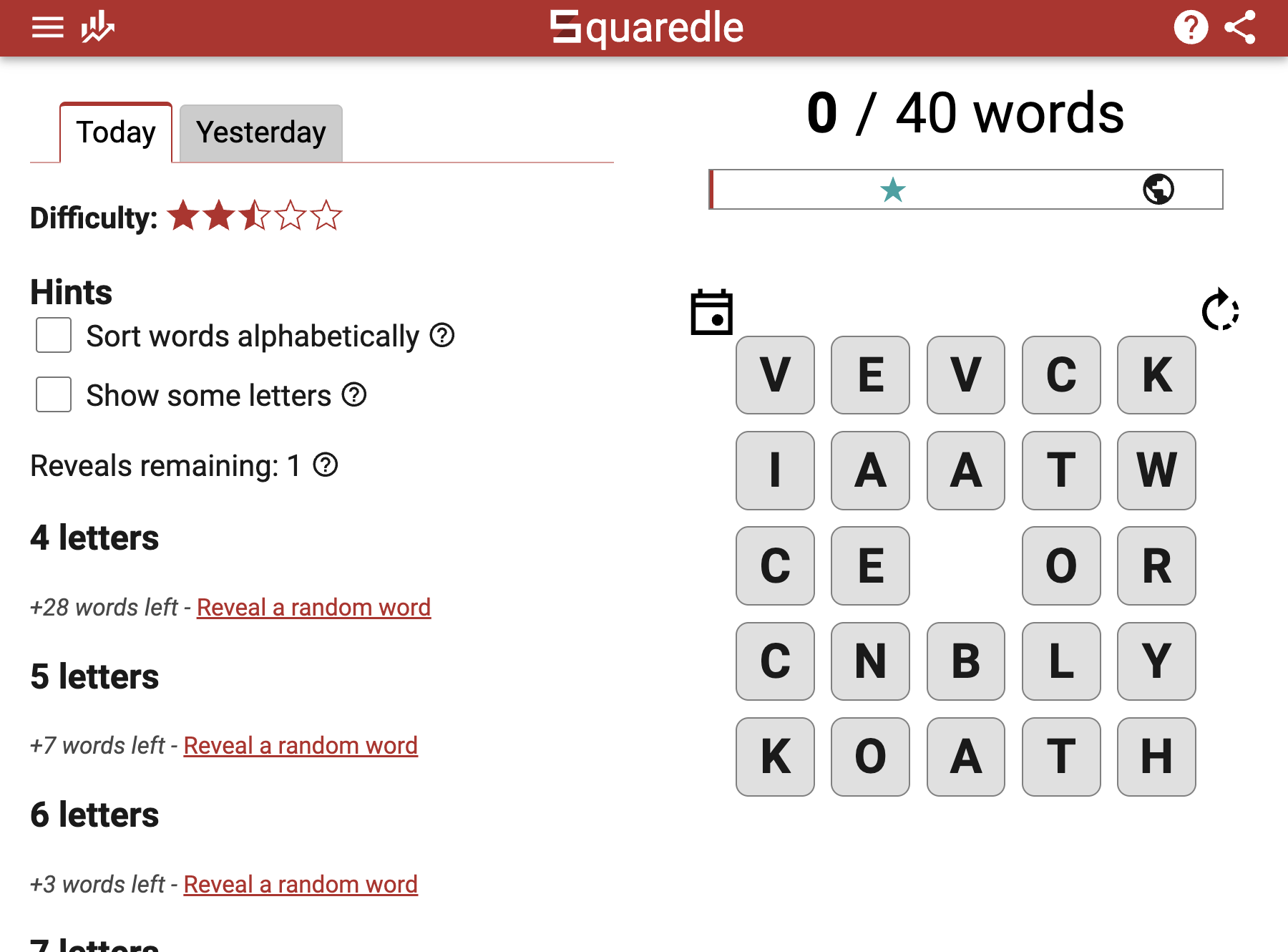
Worth naming precisely, because it is adjacent rather than equivalent. Squaredle hands you a letter grid and asks for every hidden word in it. There is no theme layer, so the “what is this about” moment never arrives. What carries over is the physical act: scanning a dense grid, seeing letters resolve into words, working a board rather than answering a prompt.
If that scanning was the part you enjoyed and the theme was incidental, this is the deeper version. If it was the theme, skip it. The daily is free and there is an archive, with an optional subscription for extras.
Play at squaredle.app.
Games Like Contexto: Warmer, Colder
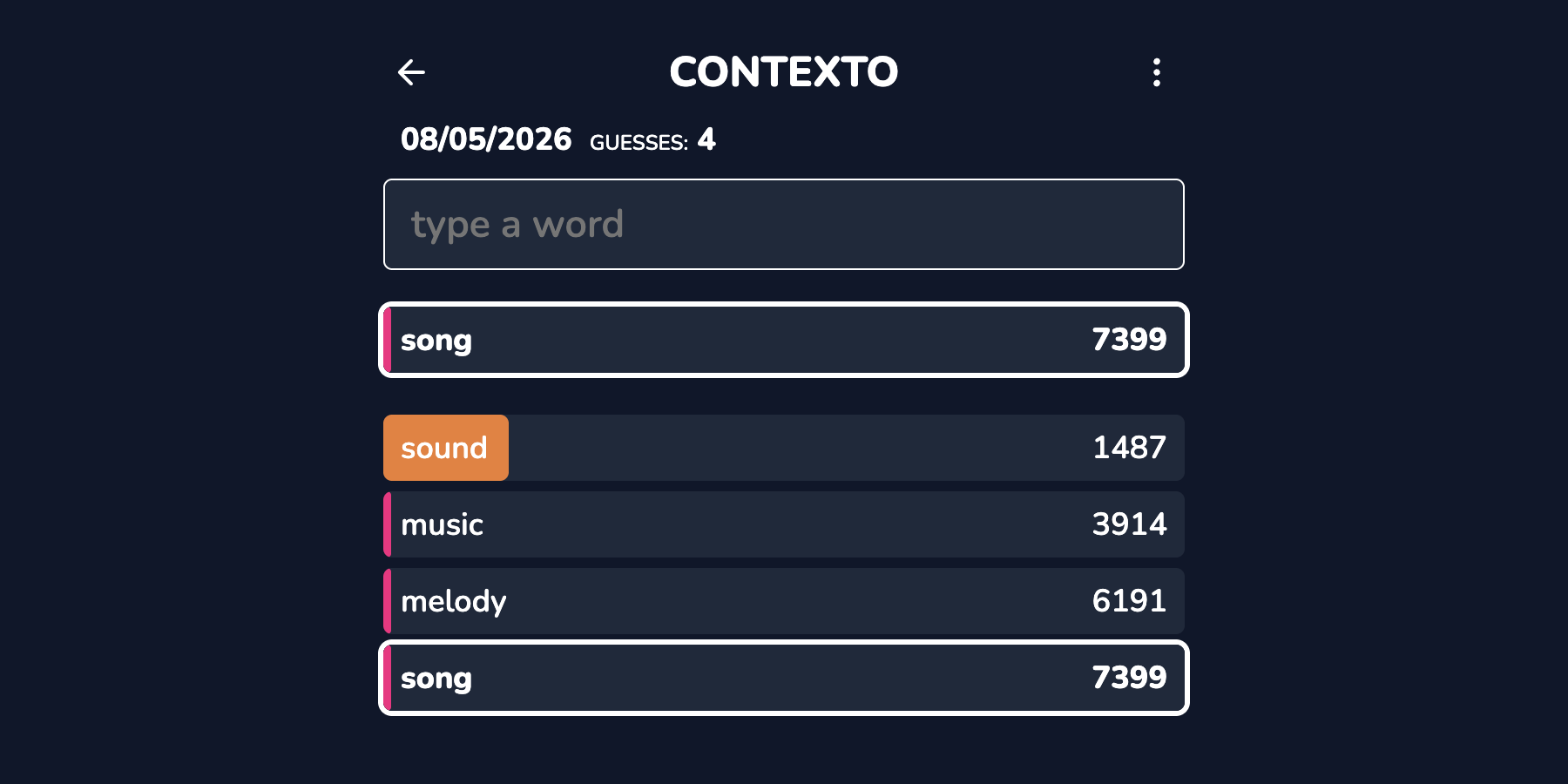
The third family swaps categories for closeness. There is one hidden word, unlimited guesses, and every attempt comes back with a number telling you how near you got. Nothing is ever wrong, only distant. Players looking for games like Contexto are usually after that specific loop, where a session becomes a slow triangulation instead of a set of discrete attempts.
Contexto
Every attempt comes back as a rank instead of a verdict. Rank one ends the puzzle, rank four thousand tells you the answer lives somewhere else entirely, and most of a session is spent watching that number fall. What catches people out is where the ranking comes from: it reflects how often two words turn up in similar company across ordinary writing. A textbook synonym can therefore sit thousands of places away, while something you would never file as related lands in the top fifty.
There is an archive of previous games and a separate unlimited mode. Free to play.
Play at contexto.me.
Semantle
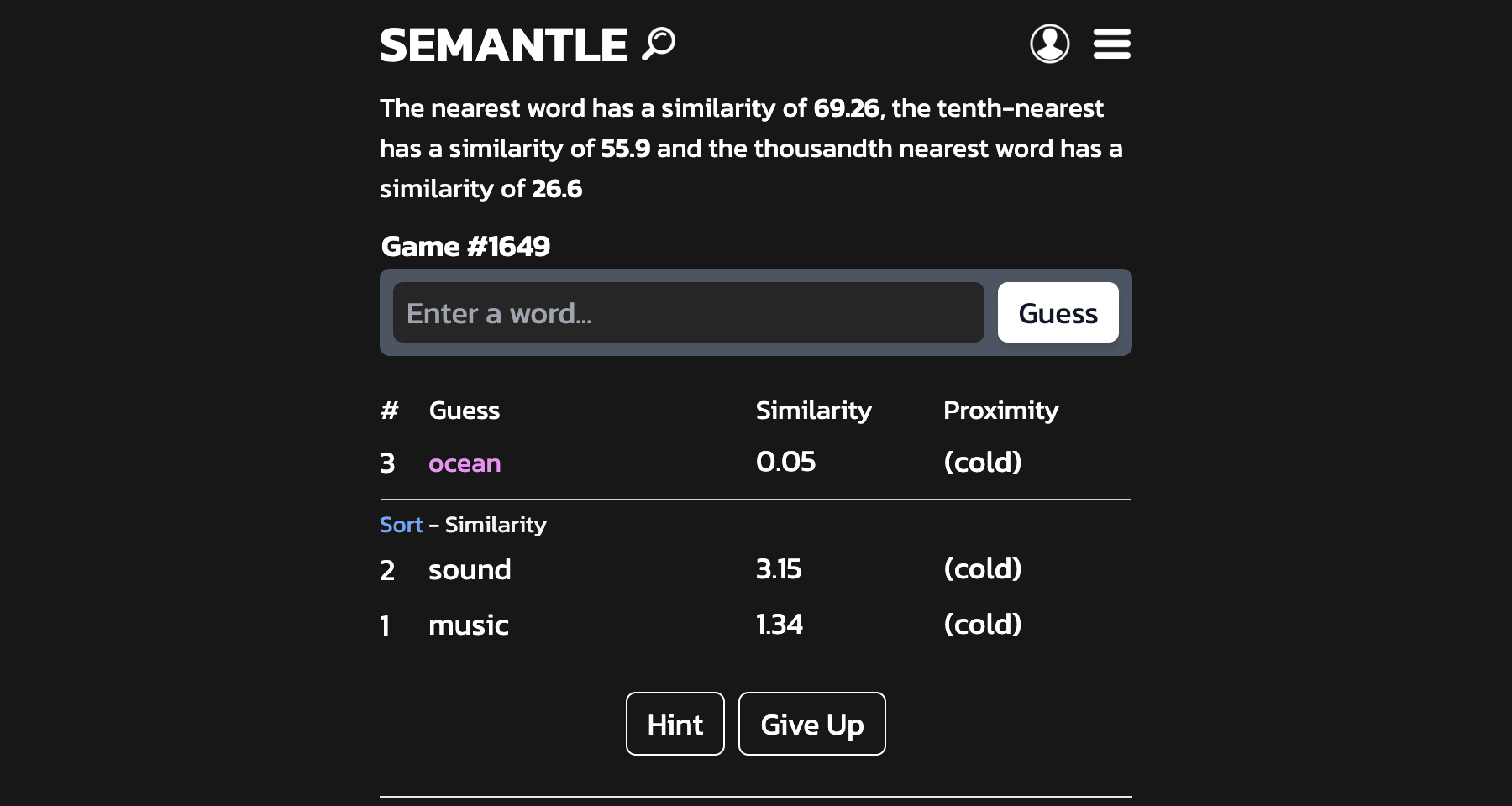
The same premise with a different temperament. Semantle scores similarity using word2vec and gives you unlimited attempts, and it is genuinely harder: it is common to spend a long session in the cold before anything resolves. There is an archive, and a Junior version with a smaller vocabulary if the full game is more punishment than fun.
Play at semantle.com.
If It Was the Deduction You Liked
One step further from Connections, and flagged as such. In these two the relationships are handed to you as explicit clues, and the puzzle is working out what they rule out. No sorting, no vocabulary, just elimination.
Murdle
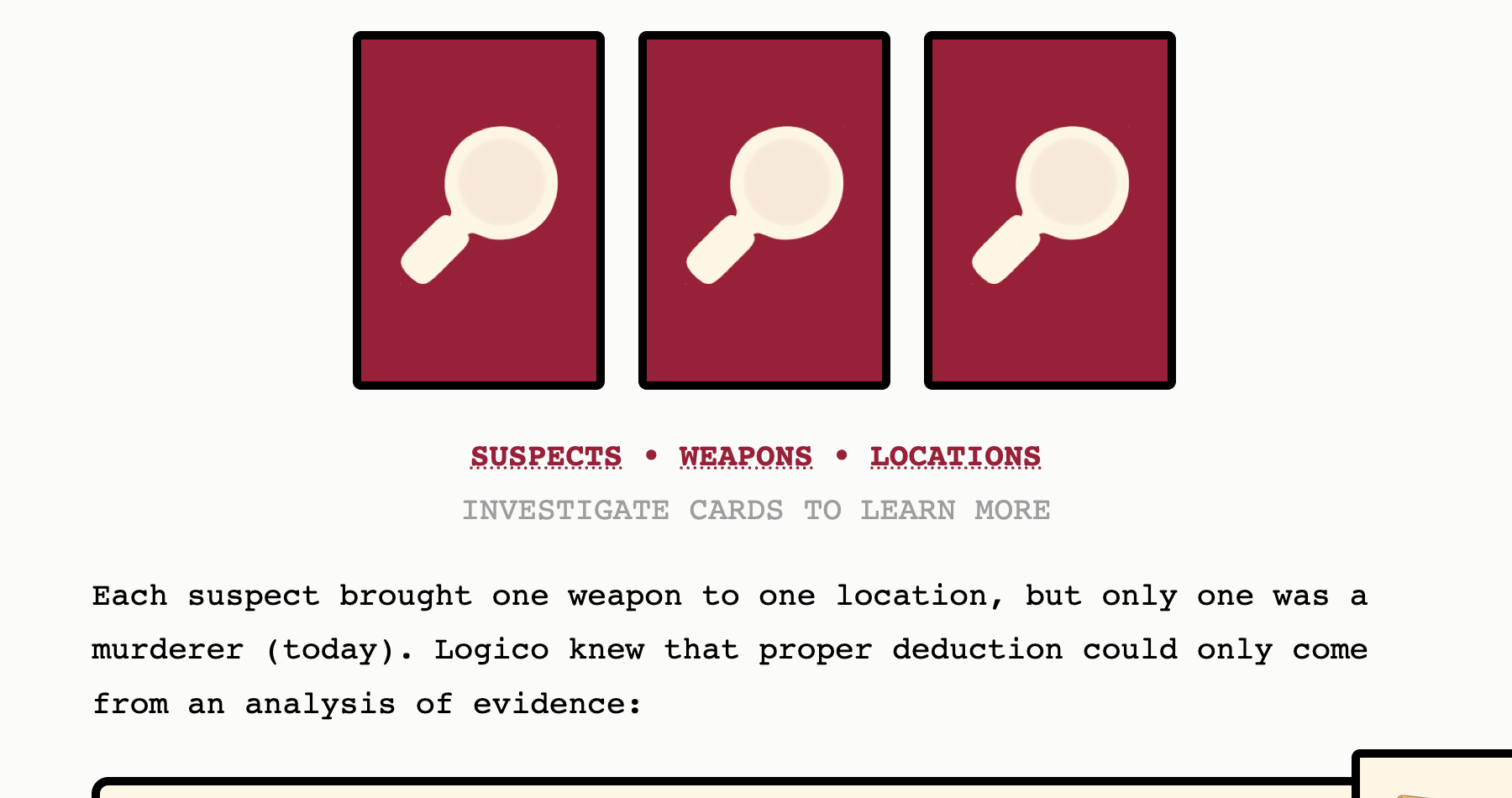
A daily murder mystery with a suspect, a weapon and a location to pin down. Statements from the cast are individually true or false, and the grid is solved by crossing off what cannot be. It has the tone of a paperback logic puzzle, because it started as one.
There is no online archive. The official route to past cases is buying the books, which is a genuine limitation if you are trying to catch up.
Play at murdle.com.
Clues by Sam
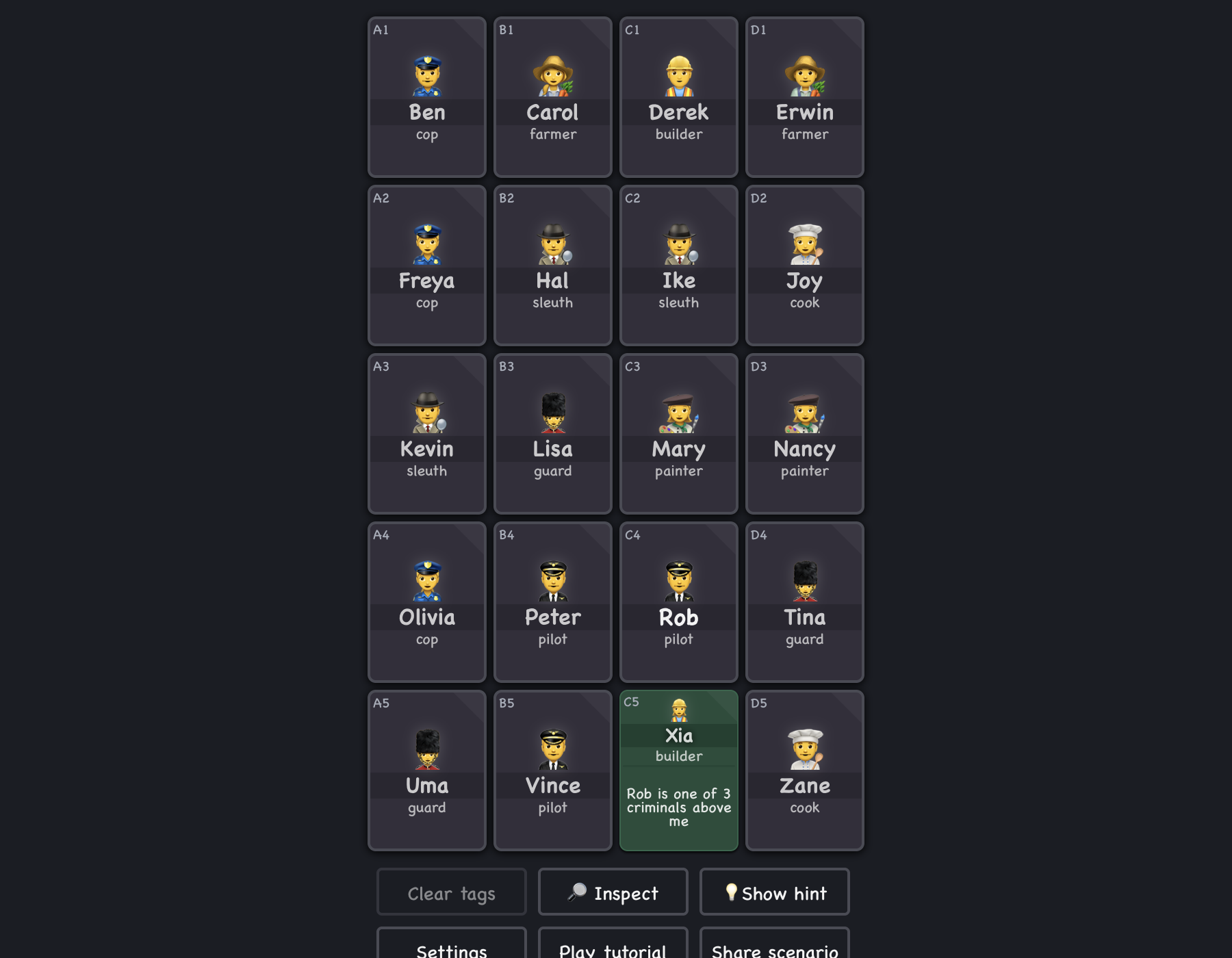
Suspects laid out with clue cards, and you mark each person guilty or innocent as the constraints tighten. The scheduling is the interesting part: difficulty climbs across the week, so Monday is approachable and the weekend is not, in the same spirit as a crossword week.
The current week is playable without an account. Anything older needs a free login, which is a login wall rather than a paywall.
Play at cluesbysam.com.
Games Like Connections at a Glance
The best word association games differ more in archive policy than in mechanic, and that is usually what decides whether you stick with one.
| Game | Relationship type | Free daily | Archive |
|---|---|---|---|
| Categories | Grouping | Yes | Open |
| GeoConnections | Grouping | Yes | Open |
| Metazooa | Grouping | Yes | None |
| PokeDoku | Grouping | Yes | Practice mode only |
| Strands | Theme hunting | Yes | Subscription |
| Squaredle | Grid scanning | Yes | Open |
| Contexto | Semantic distance | Yes | Open |
| Semantle | Semantic distance | Yes | Open |
| Murdle | Deduction | Yes | Print only |
| Clues by Sam | Deduction | Yes | Free login |
Frequently Asked Questions
Are there free games like Connections?
All ten above are free to play their daily puzzle without paying anything. The difference shows up in what happens afterwards. Categories, GeoConnections, Contexto, Semantle and Squaredle open their back catalogues to everyone. Strands keeps its history behind an NYT Games subscription, the same as Connections itself. Metazooa keeps none, and Murdle sells its past puzzles as books.
What are the best Connections alternatives if I want the exact same puzzle?
Categories by Clever Goat is the closest structural match: sixteen items, four hidden groups, lives, no theme wrapper. GeoConnections runs the same rules over geography. Everything else on this list changes something real about the mechanic, which is usually what you want after a while, though it is worth knowing which is which before you click.
Why do so many sites offer a Connections archive?
Searching for past puzzles turns up a lot of sites that are not the New York Times, offering unlimited play, archives and custom boards. These reimplement the format and monetise the traffic with ads. The economics are not a secret. In a Hacker News thread about side project income, the developer of one Strands archive site described it plainly:
Earlier this year, NYT launched a new puzzle game called Strands, which gained a lot of popularity. I created a website, https://strands.today, monetized with AdSense. It allows users to check daily puzzle answers and play previous games in the strands-archive. It generates about $600 per month.
That is why these sites exist and keep appearing. The official archive for both Connections and Strands sits inside an NYT Games subscription, which leaves an obvious gap for anyone willing to fill it. This roundup does not recommend those sites, and every pick above runs its own puzzles rather than reposting someone else’s.
Is Connections a word game or a trivia game?
Both, depending on the day. Some grids group by meaning, some by wordplay such as homophones or fill-in-the-blank phrases, and some by pure knowledge. The New York Times has said as much about how its themes are built:
Some themes are fill-in-the-blank phrases. They may also be steps in a process, items that all belong to the same category, synonyms or homophones.
That variety is worth remembering when picking an alternative. If you liked the wordplay days, look at Strands and Contexto. If you liked the knowledge days, PokeDoku and GeoConnections will suit you better.
What is a spangram?
It is Strands terminology. Alongside the theme words, every Strands board contains one longer word or phrase that touches two opposite edges of the grid and states the theme directly. Finding it early usually unlocks the rest of the board, which is why it doubles as the game’s built-in difficulty dial.
Where to Go From Here
If none of the four families quite fit, the thing you are actually after might be a different mechanic entirely. Our dle games index lists every daily puzzle we have played and rated, filterable by category, and it includes most of the games above alongside geography, music and film variants.
For the letter-guessing side of the category, games like Wordle covers the guess-the-word branch, while the best daily word games organises the whole field by mechanic if you want the wider map.
And if you want something with no categories at all, Poople runs a daily word ladder. Each rung differs from the one above it by a single letter, every rung has to be a word that exists, and the destination is always the same four letters. It asks for a completely different kind of thinking, which after a week of grids is sometimes exactly the point. There is an unlimited practice mode if one puzzle a day is not enough.